
The Mystery of Self-Sabotage
Ever felt like you were on the brink of something great, only to find yourself unconsciously pulling back? Maybe it was missing a deadline you knew was crucial or avoiding an opportunity that could have changed your life.

Self-sabotage is one of the most perplexing and frustrating psychological behaviors—an invisible force that keeps us from stepping fully into success. But why do we do it? And how can we break free?

Understanding the Roots of Self-Sabotage
- Fear of Failure (or Success!)
It sounds counterintuitive, but sometimes, success feels just as terrifying as failure. With success comes expectations, visibility, and responsibility, which can trigger deep-seated fears of inadequacy. So, rather than risk failing publicly, many people unconsciously sabotage their progress before they even get started. - Limiting Beliefs from the Past
Childhood conditioning plays a massive role in self-sabotage. If you grew up believing that success was only for a certain type of person—or that you weren’t good enough—it’s easy to carry those beliefs into adulthood. These unconscious patterns shape behaviors that keep us stuck, no matter how much external progress we make. - Perfectionism as a Trap
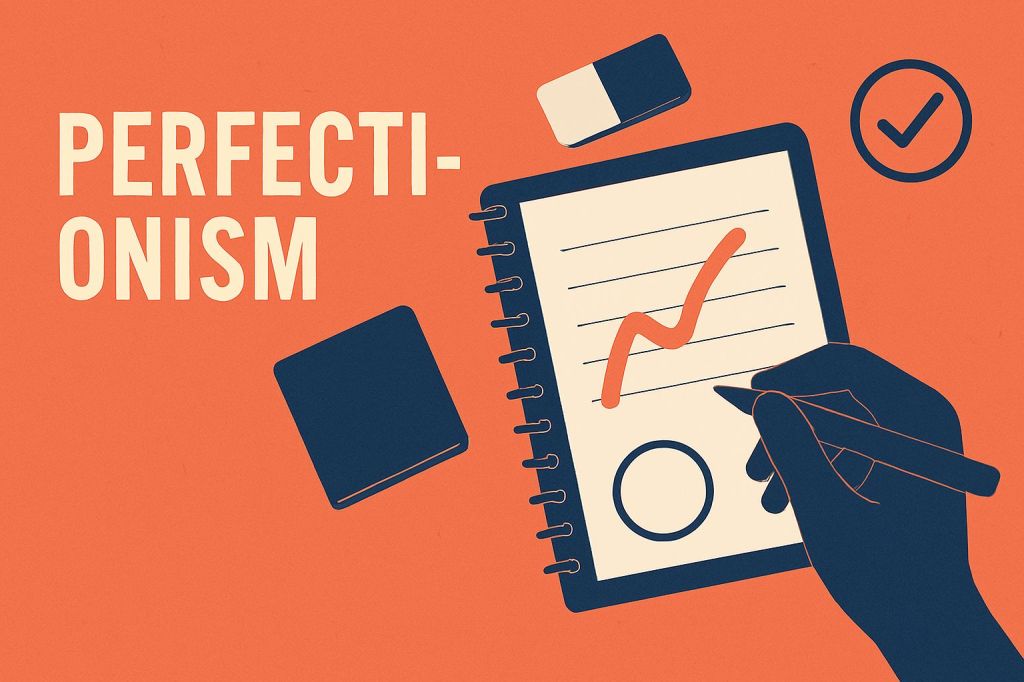
Many people believe perfectionism is just a high standard, but in reality, it’s often an excuse for avoiding action. If we can’t do it perfectly, we don’t do it at all. Procrastination, endless tweaking, and waiting for the “right time” are all forms of self-sabotage disguised as diligence. - Comfort Zone Addiction
Success requires stepping outside our comfort zone, embracing challenges, and enduring discomfort. But the brain craves familiarity—it sees safety in the predictable. When success threatens that safety, self-sabotaging behaviors help us retreat to what feels more manageable. - The Power of Negative Self-Talk
Our internal dialogue shapes our actions. If we constantly tell ourselves we’re not ready, not good enough, or not capable, we eventually act in accordance with those thoughts. Self-sabotage starts in the mind, reinforcing the idea that we don’t deserve success.
How to Break Free
Recognizing self-sabotage is the first step to overcoming it. Pay attention to the moments when you hesitate, procrastinate, or convince yourself you can’t—those are your sabotage patterns at play. Reframe fear, challenge negative self-talk, and embrace progress over perfection. Success isn’t reserved for a select few—it’s available to those who refuse to let themselves stay small.
Breaking the cycle starts with awareness. What would happen if, just once, you didn’t hold yourself back?
 Mind Elevation
Leave a comment