
The Invisible Chains Holding You Back
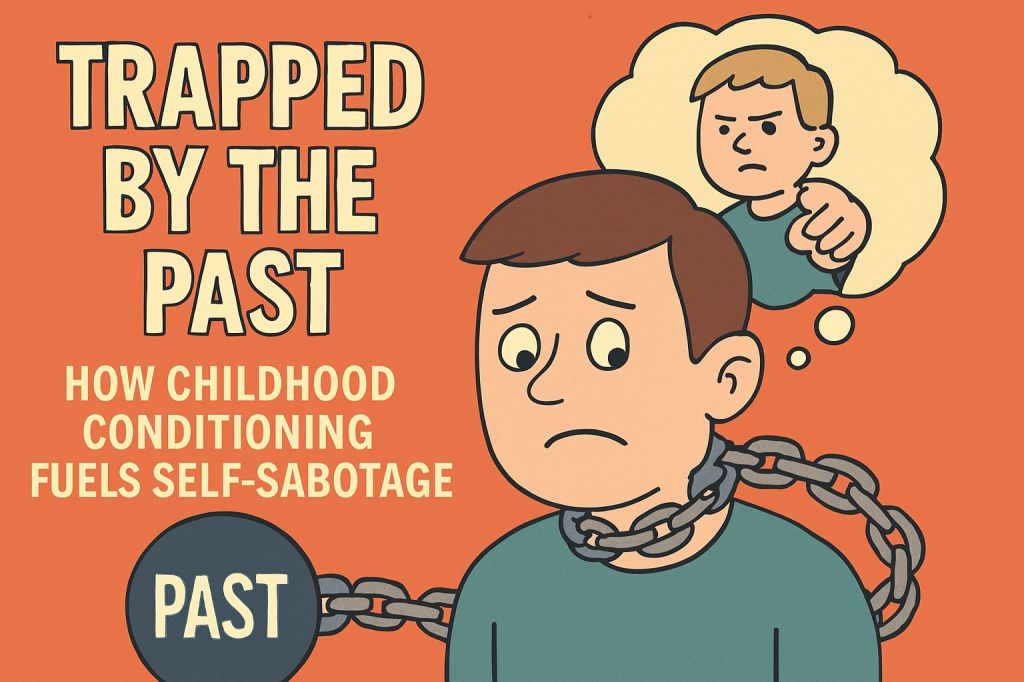
Have you ever wondered why, despite your best efforts, you keep holding yourself back? Why success feels fleeting, or why you shrink away from opportunities that could transform your life? The answer might lie deep in your past—woven into the fabric of childhood conditioning. The lessons we unconsciously absorbed in our early years shape how we see ourselves, what we believe we’re capable of, and whether we step into our full potential or sabotage our own success.
How Childhood Conditioning Leads to Self-Sabotage
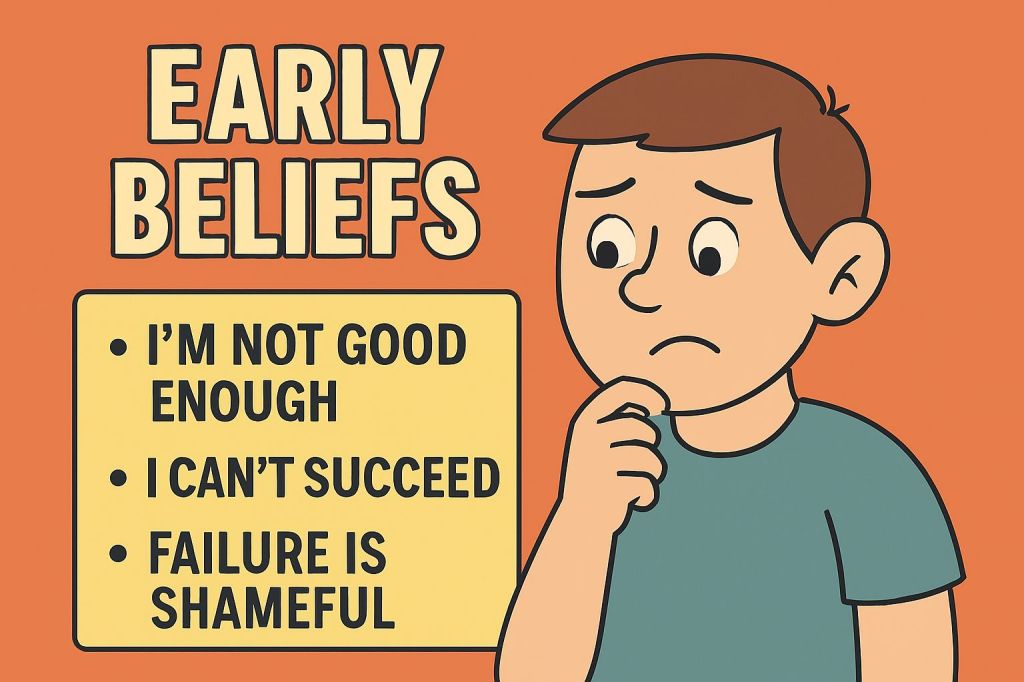
- The Power of Early Beliefs: Programming the Subconscious Mind
From a young age, we absorb messages about worth, success, and failure—often without realizing it. If you were told that failure is shameful, success is unreachable, or that you must always prove your value, these beliefs embed themselves deeply in your subconscious. As an adult, they manifest as procrastination, fear of risk, and avoidance of achievement. - Perfectionism and Fear of Judgment
Many people raised in highly critical environments develop perfectionist tendencies, believing they must be flawless to be accepted. This often leads to self-sabotage—delaying projects, rejecting opportunities, or never finishing what they start. Deep down, the fear of judgment holds them back from truly stepping into their capabilities. - Scarcity Mindset: The Fear of Having ‘Too Much’
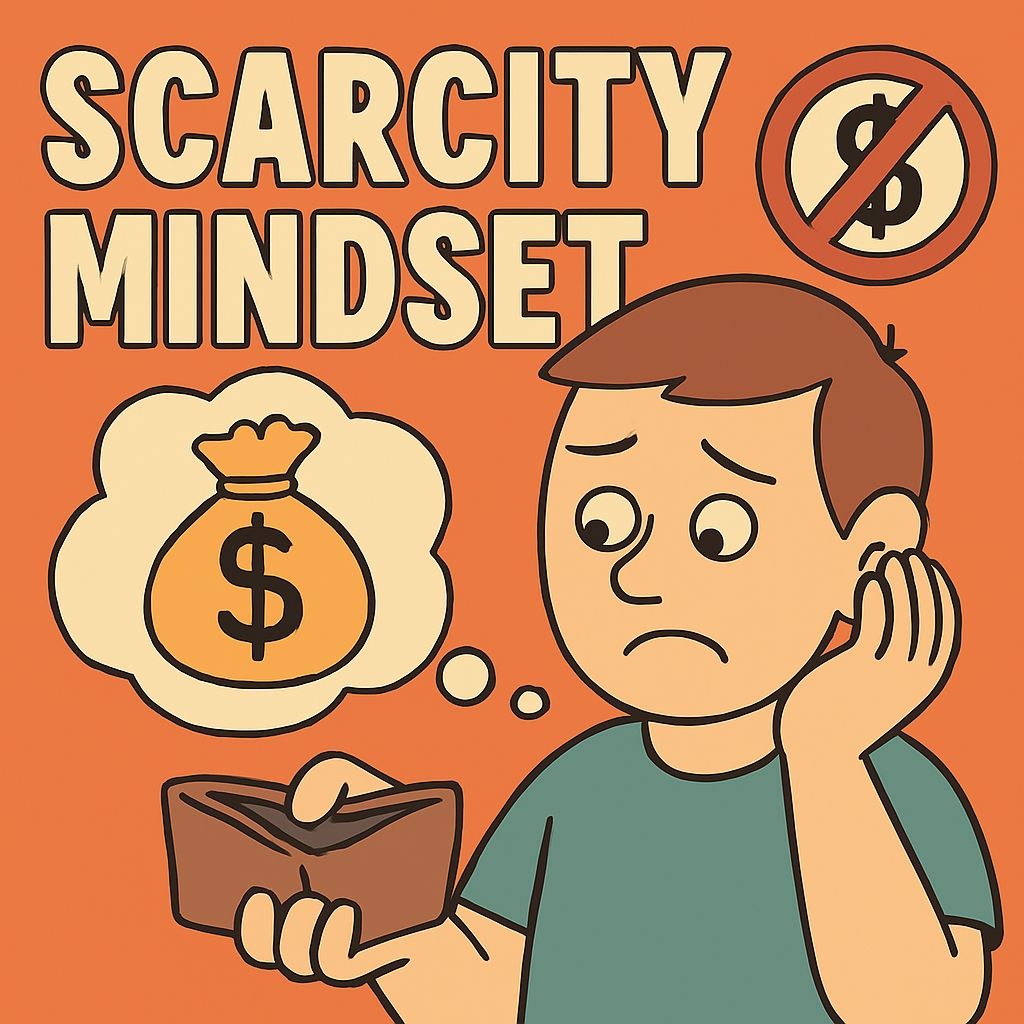
If you grew up in an environment where success was seen as unattainable or selfish, you may unconsciously sabotage yourself to avoid exceeding what you were taught was “acceptable.” Some people struggle with financial success or career growth because they’ve internalized the idea that wanting more is greedy or that wealth leads to negative consequences. - Comfort Zone Conditioning: The Need to Stay Small
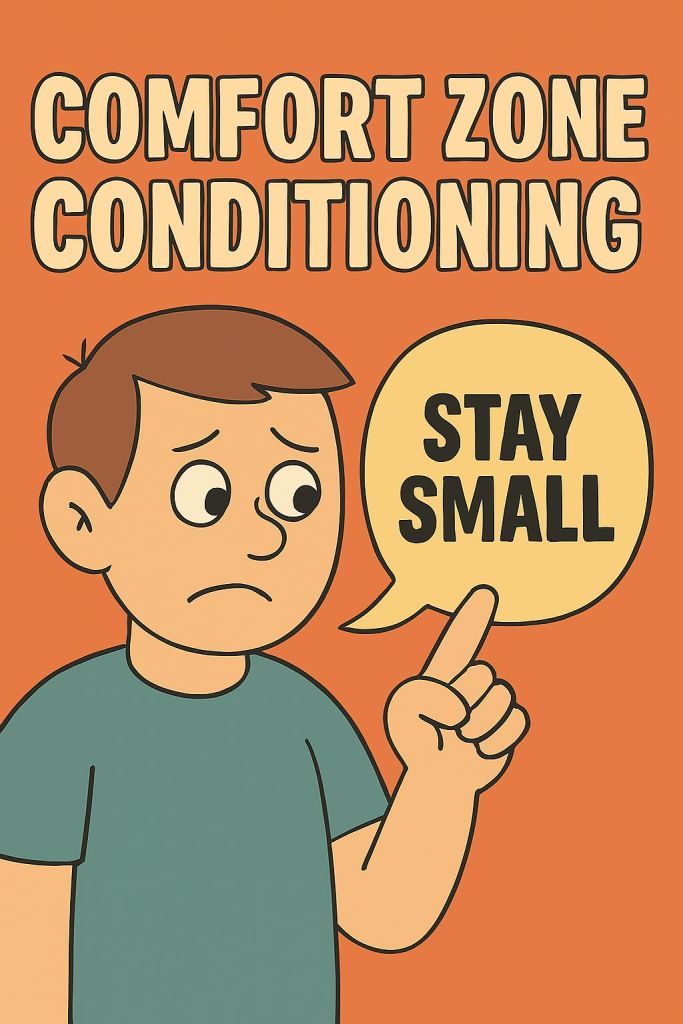
Some families instill a sense of limitation—teaching their children to “play it safe” and avoid taking risks. As a result, many adults unknowingly sabotage themselves whenever life presents an opportunity for growth. Their conditioning tells them it’s safer to stay small, even if it means staying unfulfilled.
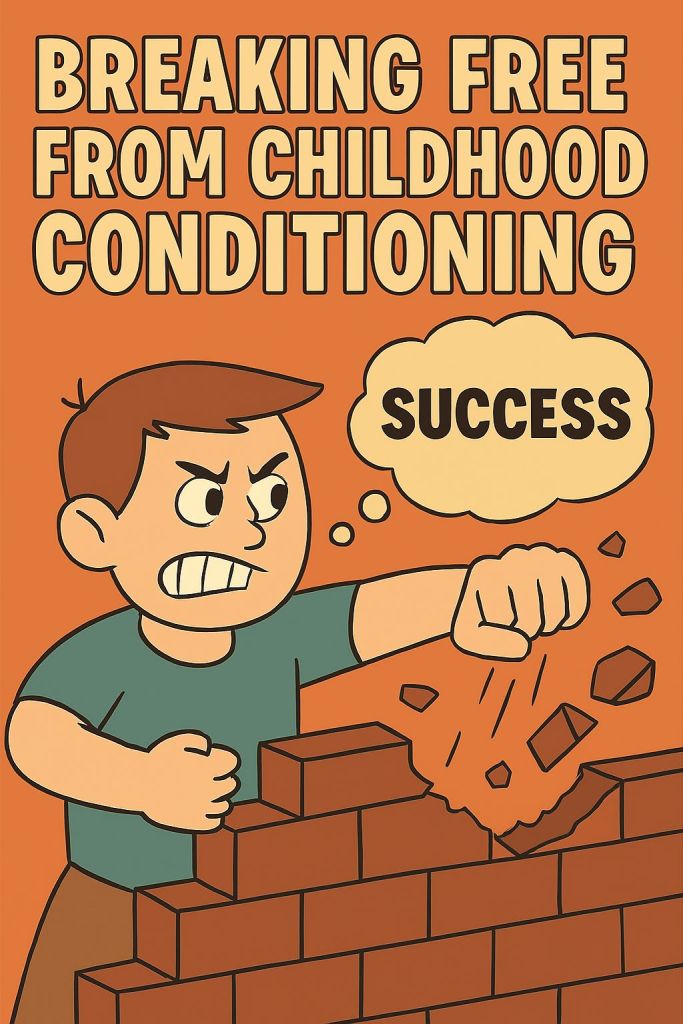
Breaking Free from Childhood Conditioning
The first step to overcoming self-sabotage rooted in childhood is awareness. Recognizing the subconscious patterns influencing your decisions allows you to reframe them. Challenge limiting beliefs, rewrite the narrative, and embrace the idea that success is not just possible—but deserved. You are not bound by the lessons of your past. You are free to create a future that aligns with the person you are becoming, rather than the person you were conditioned to be.
What would happen if you chose to step beyond your childhood programming—just once?
 Mind Elevation
Leave a comment